 TH
TH EN
ENพยาธิสรีรวิทยาทางประสาทและแนวทางการรักษาแบบใหม่ในภาวะสูงอายุร่วมกับภาวะอ้วน: จากไมโตคอนเดรียถึงผู้ป่วย
 20 กุมภาพันธ์ 2568

บทวิเคราะห์งานวิจัย
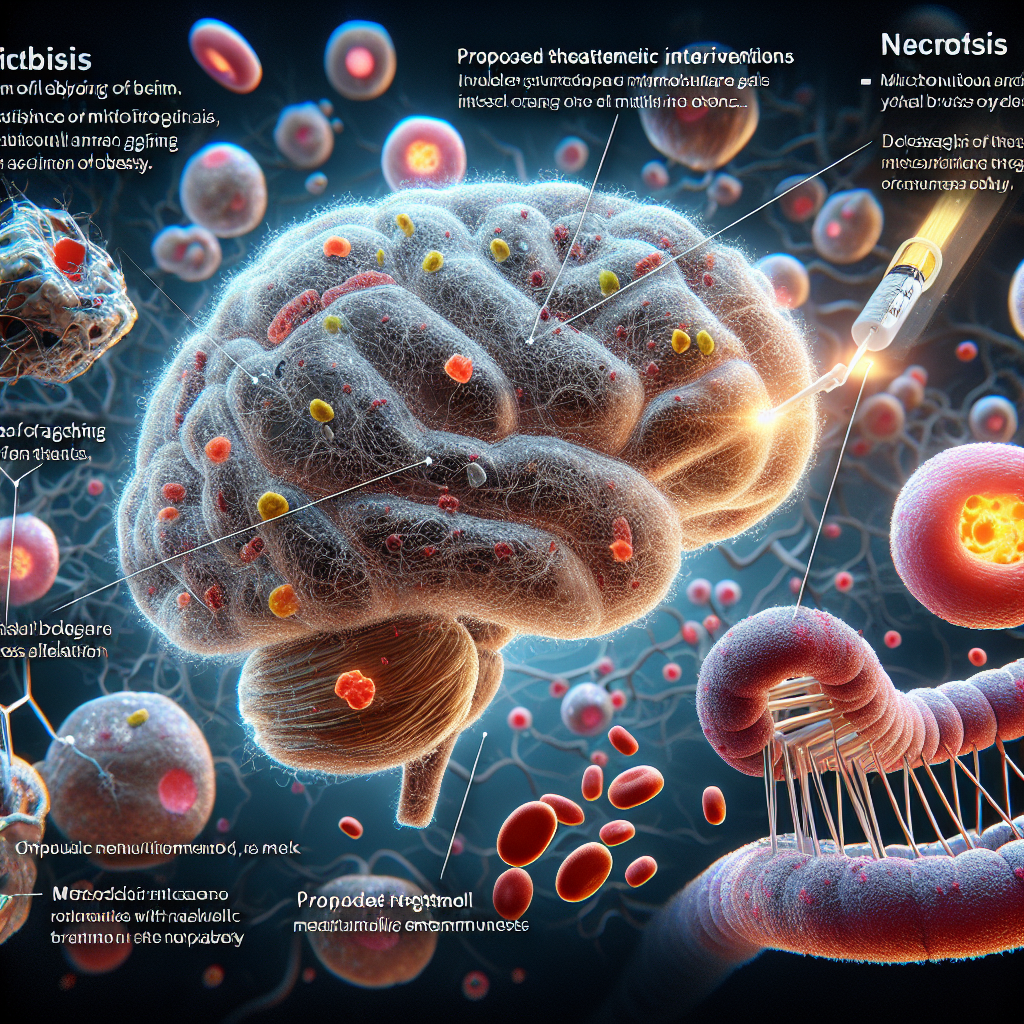
งานวิจัยนี้ศึกษาพยาธิสรีรวิทยาของสมองในผู้สูงอายุที่มีภาวะอ้วนร่วมด้วย โดยมุ่งเน้นไปที่บทบาทของความสมดุลของไมโทคอนเดรีย (mitochondrial dynamics) และกระบวนการเนครอปโทซิส (necroptosis) ในการเกิดความเสื่อมของสมองและความจำเสื่อม งานวิจัยแบ่งออกเป็น 3 ส่วนหลัก ส่วนแรกใช้แบบจำลองสัตว์ (หนู) ที่เหนี่ยวนำให้เกิดภาวะสูงอายุด้วย D-galactose และภาวะอ้วนด้วยอาหารไขมันสูง เพื่อศึกษาผลกระทบต่อพารามิเตอร์ต่างๆ ของสมอง รวมถึงความดื้อต่ออินซูลินในสมอง, ความเครียดออกซิเดชั่น, การอักเสบ, การทำงานของไมโครเกลีย, การทำงานของ synapse, การทำงานของไมโทคอนเดรีย, ความสมดุลของไมโทคอนเดรีย, การเกิดเนครอปโทซิส และความสามารถทางด้านความจำ งานวิจัยตั้งสมมุติฐานว่าภาวะสูงอายุจะยิ่งทำให้พยาธิสภาพเหล่านี้แย่ลงในหนูที่อ้วนอยู่แล้ว
ส่วนที่สองของงานวิจัยศึกษาประสิทธิภาพของวิธีการรักษา ทั้งแบบใช้ยาและไม่ใช้ยา ในการปรับปรุงความสมดุลของไมโทคอนเดรียและลดการเกิดเนครอปโทซิส วิธีการรักษาแบบใช้ยารวมถึงการใช้สารยับยั้งการแยกตัวของไมโทคอนเดรีย (Mdivi-1), สารกระตุ้นการรวมตัวของไมโทคอนเดรีย (M1), และสารยับยั้ง necroptosis (Nec-1) ส่วนวิธีการรักษาแบบไม่ใช้ยาใช้การบำบัดด้วยออกซิเจนความดันสูง (Hyperbaric oxygen therapy; HBOT) งานวิจัยตั้งสมมุติฐานว่าวิธีการรักษาเหล่านี้จะช่วยปรับปรุงการทำงานของสมองและความสามารถทางด้านความจำ โดยการปรับปรุงพารามิเตอร์ต่างๆ ที่กล่าวมาข้างต้น
ส่วนที่สามของงานวิจัยเป็นการศึกษาในมนุษย์ โดยศึกษาเซลล์เม็ดเลือดขาว (PBMCs) จากผู้สูงอายุที่มีและไม่มีภาวะอ้วน เพื่อหา biomarkers ในระยะเริ่มต้นของความจำเสื่อม และเพื่อศึกษาว่า HBOT สามารถปรับปรุงการทำงานของสมองและปรับสมดุลของไมโทคอนเดรียและลดการเกิดเนครอปโทซิสได้หรือไม่ งานวิจัยนี้มีความครอบคลุม โดยศึกษาตั้งแต่ระดับโมเลกุล (ไมโทคอนเดรีย) ไปจนถึงระดับมนุษย์ การใช้แบบจำลองสัตว์ช่วยในการศึกษาผลกระทบของภาวะต่างๆ ต่อสมองได้อย่างละเอียด ก่อนที่จะนำมาประยุกต์ใช้ในมนุษย์ การศึกษาแบบหลายระดับนี้ช่วยให้ได้ข้อมูลที่ครบถ้วนและมีความน่าเชื่อถือมากขึ้น อย่างไรก็ตาม การศึกษาในแบบจำลองสัตว์อาจมีความแตกต่างจากในมนุษย์ จึงจำเป็นต้องมีการศึกษาเพิ่มเติมในกลุ่มตัวอย่างมนุษย์ที่ใหญ่ขึ้นและมีความหลากหลายมากขึ้น เพื่อยืนยันผลการวิจัย นอกจากนี้ การศึกษาควรพิจารณาปัจจัยอื่นๆ ที่อาจมีผลต่อการทำงานของสมอง เช่น พันธุกรรม วิถีชีวิต และปัจจัยทางสิ่งแวดล้อม
งานวิจัยนี้เหมาะกับอุตสาหกรรมใด
งานวิจัยนี้เหมาะกับอุตสาหกรรมยาและเวชภัณฑ์เป็นอย่างมาก เนื่องจากงานวิจัยนี้มุ่งเน้นไปที่การค้นหาวิธีการรักษาใหม่ๆ สำหรับภาวะสมองเสื่อมในผู้สูงอายุที่มีภาวะอ้วนร่วมด้วย ผลลัพธ์ของงานวิจัยนี้สามารถนำไปสู่การพัฒนาตัวยาใหม่ๆ หรือการปรับปรุงวิธีการรักษาที่มีอยู่เดิม เพื่อเพิ่มประสิทธิภาพในการรักษา นอกจากนี้ งานวิจัยนี้ยังเหมาะกับอุตสาหกรรมเครื่องมือแพทย์ โดยเฉพาะอย่างยิ่งเครื่องมือที่เกี่ยวข้องกับการบำบัดด้วยออกซิเจนความดันสูง (HBOT) การศึกษาประสิทธิภาพของ HBOT ในการรักษาภาวะสมองเสื่อมสามารถนำไปสู่การพัฒนาเทคโนโลยีและเครื่องมือที่เกี่ยวข้อง รวมถึงอุตสาหกรรมอาหารเสริม เนื่องจากงานวิจัยนี้ศึกษาเกี่ยวกับความสัมพันธ์ระหว่างภาวะอ้วนและภาวะสมองเสื่อม ข้อมูลที่ได้จากงานวิจัยนี้สามารถนำไปสู่การพัฒนาอาหารเสริมที่มีประสิทธิภาพในการป้องกันหรือชะลอการเกิดภาวะสมองเสื่อมได้ ยิ่งไปกว่านั้น งานวิจัยนี้ยังอาจมีประโยชน์ต่ออุตสาหกรรมประกันสุขภาพ เพราะสามารถนำข้อมูลมาประเมินความเสี่ยงและออกแบบโปรแกรมดูแลสุขภาพสำหรับผู้สูงอายุที่มีภาวะอ้วนได้อย่างมีประสิทธิภาพมากขึ้น
งานวิจัยนี้เหมาะกับอาชีพใด
งานวิจัยนี้เหมาะกับนักวิจัยทางด้านประสาทวิทยาศาสตร์ เภสัชวิทยา และชีววิทยาโมเลกุล เนื่องจากงานวิจัยนี้เกี่ยวข้องกับการศึกษาเชิงลึกเกี่ยวกับกลไกการทำงานของสมองในระดับโมเลกุล นักวิจัยในสาขาเหล่านี้สามารถนำความรู้และทักษะที่มีอยู่มาวิเคราะห์และตีความผลการวิจัยได้ นอกจากนี้ งานวิจัยนี้ยังเหมาะกับแพทย์ผู้เชี่ยวชาญด้านประสาทวิทยา และแพทย์ผู้เชี่ยวชาญด้านโรคอ้วน เพราะสามารถนำความรู้จากงานวิจัยนี้ไปประยุกต์ใช้ในการดูแลรักษาผู้ป่วยได้อย่างมีประสิทธิภาพมากขึ้น อีกทั้งยังเหมาะกับนักวิทยาศาสตร์ข้อมูล เนื่องจากงานวิจัยนี้มีข้อมูลเชิงปริมาณจำนวนมาก ซึ่งจำเป็นต้องใช้ความรู้และทักษะในการวิเคราะห์ข้อมูลทางสถิติ สุดท้าย งานวิจัยนี้ยังเหมาะกับนักโภชนาการ เพราะสามารถนำความรู้เกี่ยวกับความสัมพันธ์ระหว่างภาวะอ้วนและภาวะสมองเสื่อมไปให้คำแนะนำในการวางแผนโภชนาการที่เหมาะสมกับผู้สูงอายุได้
| รหัสโครงการ : | 12647 |
| หัวหน้าโครงการ : | ศ.ดร.ทันตแพทย์หญิง สิริพร ฉัตรทิพากร |
| ปีงบประมาณ : | 2563 |
| หน่วยงาน : | มหาวิทยาลัยเชียงใหม่ |
| สาขาวิจัย : | กลุ่มข้อมูลด้านวิทยาศาสตร์การแพทย์และสุขภาพ |
| ประเภทโครงการ : | โครงการเดี่ยว |
| สถานะ : | ปิดโครงการ |
| คำสำคัญ : | |
| วัตถุประสงค์ : | Aim 1: To determine the underlying mechanisms of aging brain in an animal model with or without obesity by using D-galactose induced aging condition, and HFD-induced obese condition. Hypothesis 1: D-galactose induced aging aggravates brain pathologies; including brain insulin resistance, brain oxidative stress, brain inflammation, microglial hyperactivity, synaptic dysplasticity, mitochondrial dysfunction, imbalanced mitochondrial dynamics, increased necroptosis, and cognitive decline in obese condition. Specific Aim 1.1: To investigate the time course effects of D-galactose induced aging on metabolic parameters in the obese-insulin resistant condition. Hypothesis: D-galactose induced aging accelerates and aggravates metabolic impairment in the obese-insulin resistant rats. Specific Aim 1.2: To investigate the time course effects of D-galactose induced aging on brain oxidative stress, brain inflammation, brain apoptosis, brain mitochondrial dynamics, and brain necroptosis in the obese-insulin resistant rats. Hypothesis: D-galactose induced aging accelerates and aggravates brain oxidative stress, brain inflammation, brain apoptosis, brain necroptosis and imbalanced of brain mitochondrial dynamics in obese-insulin resistant rats. Specific Aim 1.3: To investigate the time course effects of D-galactose induced aging on brain insulin signaling in the obese-insulin resistant condition Hypothesis: D-galactose induced aging accelerates and aggravates the impairment of brain insulin signaling function in the obese-insulin resistant condition Specific Aim 1.4: To investigate the time course effects of D-galactose induced aging on hippocampal synaptic plasticity in the obese-insulin resistant condition Hypothesis: D-galactose induced aging accelerates and aggravates the impairment of hippocampal synaptic plasticity in the obese-insulin resistant condition Specific Aim 1.5: To investigate the time course effects of D-galactose induced aging on cognitive function in the obese-insulin resistant condition Hypothesis: D-galactose induced aging accelerates and aggravates the cognitive impairment in the obese-insulin resistant condition Aim 2: To determine whether both pharmacological [the modulators of mitochondrial dynamics: mitochondrial fission inhibitor (Mdivi-1) and mitochondrial fusion promoter (M1) as well as necroptosis inhibitor (Nec-1)] and non-pharmacological (HBOT) interventions improve the cognition by attenuating the imbalance of mitochondrial dynamics and necroptotic process in aging brain in an animal model with or without obesity Hypothesis 2: Both pharmacological [the modulators of mitochondrial dynamics: mitochondrial fission inhibitor (Mdivi-1), and mitochondrial fusion promoter (M1) as well as necroptosis inhibitor (Nec-1)] and non-pharmacological (HBOT) interventions improve brain function and cognitive function in aging model with or without obesity Specific Aim 2.1: To investigate whether the modulators of mitochondrial dynamics: mitochondrial fission inhibitor (Mdivi-1) and mitochondrial fusion promoter (M1) improve metabolic function, brain function and cognitive function in D-galactose induced aging condition with or without obesity by measuring peripheral and brain insulin sensitivity, microglial activity, brain mitochondrial function, mitochondrial dynamics, and brain necroptosis Hypothesis: The modulators of mitochondrial dynamics: mitochondrial fission inhibitor (Mdivi-1) and mitochondrial fusion promoter (M1) restore metabolic function, brain function and cognitive function in D-galactose induced aging condition with or without obesity Speicific Aim 2.1.1: To investigate the effects of Mdivi 1 and M1 on metabolic parameters in D-galactose induced aging rats with or without obese-insulin resistance. Hypothesis: Mdivi 1 and M1 reduce metabolic impairment in D-galactose induced aging rats with or without obese-insulin resistance. Specific Aim 2.1.2: To investigate the effects of Mdivi 1 and M1 on brain oxidative stress, brain inflammation, brain apoptosis, brain mitochondrial dynamics, and brain necroptosis in D-galactose induced aging rats with or without obese-insulin resistance. Hypothesis: Mdivi 1 and M1 reduce brain oxidative stress, brain inflammation, brain apoptosis, brain mitochondrial dynamics, and brain necroptosis in D-galactose induced aging rats with or without obese-insulin resistance. Specific Aim 2.1.3: To investigate the effects of Mdivi 1 and M1 on brain insulin signaling in D-galactose induced aging rats with obese-insulin resistance. Hypothesis: Mdivi 1 and M1 reduce the impairment of brain insulin signaling in the D-galactose induced aging rats with or without obese-insulin resistance. Specific Aim 2.1.4: To investigate the effects of Mdivi 1 and M1 on hippocampal synaptic plasticity in D-galactose induced aging rats with or without obese-insulin resistance. Hypothesis: Mdivi 1 and M1 reduce the impairment of hippocampal synaptic plasticity in D-galactose induced aging rats with or without obese-insulin resistance. Specific Aim 2.1.5: To investigate the effects of HBOT on cognitive function in D-galactose induced aging rats with or without obese-insulin resistance. Hypothesis: Mdivi 1 and M1 reduce the cognitive impairment in D-galactose induced aging rats with or without obese-insulin resistance. Speicific Aim 2.2: To investigate whether necroptosis inhibitor [RIP1 inhibitor: (Nec-1)] improves metabolic function, brain function and cognitive function in D-galactose induced aging condition with or without obesity by measuring peripheral and brain insulin sensitivity, microglial activity, brain mitochondrial function, mitochondrial dynamics, and brain necroptosis Hypothesis 2.2: The administration of RIP1 inhibitor (Nec-1) improves cognitive function in D-galactose induced aging condition with or without obesity via reducing peripheral and brain insulin resistance, microglial activity, brain mitochondrial dysfunction, imbalanced mitochondrial dynamics, and decreasing brain necroptosis. Specific Aim 2.2.1: To investigate the effects of Nec 1 on metabolic parameters in D-galactose induced aging rats with or without obese-insulin resistance. Hypothesis: Nec 1 reduces metabolic impairment in D-galactose induced aging rats with or without obese-insulin resistance. Specicif Aim 2.2.2: To investigate the effects of Nec 1 on brain oxidative stress, brain inflammation, brain apoptosis, brain mitochondrial dynamics, and brain necroptosis in D-galactose induced aging rats with obese-insulin resistance. Hypothesis: Nec 1 reduces brain oxidative stress, brain inflammation, brain apoptosis, brain mitochondrial dynamics, and brain necroptosis in D-galactose induced aging rats with or without obese-insulin resistance. Specific Aim 2.2.3: To investigate the effects of Nec 1 on brain insulin signaling in D-galactose induced aging rats with obese-insulin resistance. Hypothesis: Nec 1 reduces the impairment of brain insulin signaling in D-galactose induced aging rats with or without obese-insulin resistance. Specific Aim 2.2.4: To investigate the effects of Nec 1 on hippocampal synaptic plasticity in D-galactose induced aging rats with obese-insulin resistance. Hypothesis: Nec 1 reduces the impairment of hippocampal synaptic plasticity in D-galactose induced aging rats with or without obese-insulin resistance. Aim 2.2.5: To investigate the effects of Nec 1 on cognitive function in D-galactose induced aging rats with or without obese-insulin resistance. Hypothesis: Nec 1 reduces the cognitive impairment in D-galactose induced aging rats with or without obese-insulin resistance. Specific Aim 2.3: To determine the effect of hyperbaric oxygen therapy (HBOT) on aging brain in D-galactose induced aging rats with or without obesity Hypothesis 2.3: HBOT improves metabolic function, brain function and cognitive function in D-galactose induced aging condition with or without obesity via reducing peripheral and brain insulin resistance, microglial activity, brain mitochondrial dysfunction, imbalanced mitochondrial dynamics, and brain necroptosis. Specific Aim 2.3.1: To investigate the effects of HBOT on metabolic parameters in D-galactose induced aging rats with or without obese-insulin resistance. Hypothesis: HBOT reduces metabolic impairment in D-galactose induced aging rats with or without obese-insulin resistance. Specific Aim 2.3.2: To investigate the effects of HBOT on brain oxidative stress, brain inflammation, brain apoptosis, brain mitochondrial dynamics, and brain necroptosis in D-galactose induced aging rats with or without obese-insulin resistance. Hypothesis: HBOT reduces brain oxidative stress, brain inflammation, brain apoptosis, brain mitochondrial dynamics, and brain necroptosis in the D-galactose induced aging rats with or without obese-insulin resistance. Specific Aim 2.3.3: To investigate the effects of HBOT on brain insulin signaling in the D-galactose induced aging rats with or without obese-insulin resistance. Hypothesis: HBOT reduces the impairment of brain insulin signaling in the D-galactose induced aging rats with or without obese-insulin resistance. Specific Aim 2.3.4: To investigate the effects of HBOT on hippocampal synaptic plasticity in the D-galactose induced aging rats with or without obese-insulin resistance. Hypothesis: HBOT reduces the impairment of hippocampal synaptic plasticity in the D-galactose induced aging rats with obese-insulin resistance. Speicific Aim 2.3.5: To investigate the effects of HBOT on cognitive function in the D-galactose induced aging rats with or without obese-insulin resistance. Hypothesis: HBOT reduces the cognitive impairment in the D-galactose induced aging rats with or without obese-insulin resistance Aim 3: To search for early biomarkers of cognitive decline in elderly subjects and determine the effect of HBOT on cognition and balance of mitochondrial dynamics, and necroptosis in isolated peripheral blood mononuclear cells (PBMCs) of elderly subjects Hypothesis 3: Mitochondrial dynamics and necroptosis in PBMCs can be used as biomarkers of cognitive decline in elderly subjects and HBOT can improve cognitive function and restoring the balance of mitochondrial dynamics and attenuating necroptosis in elderly subjects. |
ศ.ดร.ทันตแพทย์หญิง สิริพร ฉัตรทิพากร. (2563). พยาธิสรีรวิทยาทางประสาทและแนวทางการรักษาแบบใหม่ในภาวะสูงอายุร่วมกับภาวะอ้วน: จากไมโตคอนเดรียถึงผู้ป่วย. มหาวิทยาลัยเชียงใหม่. เชียงใหม่.
ศ.ดร.ทันตแพทย์หญิง สิริพร ฉัตรทิพากร. 2563. "พยาธิสรีรวิทยาทางประสาทและแนวทางการรักษาแบบใหม่ในภาวะสูงอายุร่วมกับภาวะอ้วน: จากไมโตคอนเดรียถึงผู้ป่วย". มหาวิทยาลัยเชียงใหม่. เชียงใหม่.
ศ.ดร.ทันตแพทย์หญิง สิริพร ฉัตรทิพากร. "พยาธิสรีรวิทยาทางประสาทและแนวทางการรักษาแบบใหม่ในภาวะสูงอายุร่วมกับภาวะอ้วน: จากไมโตคอนเดรียถึงผู้ป่วย". มหาวิทยาลัยเชียงใหม่, 2563. เชียงใหม่.
ศ.ดร.ทันตแพทย์หญิง สิริพร ฉัตรทิพากร. พยาธิสรีรวิทยาทางประสาทและแนวทางการรักษาแบบใหม่ในภาวะสูงอายุร่วมกับภาวะอ้วน: จากไมโตคอนเดรียถึงผู้ป่วย. มหาวิทยาลัยเชียงใหม่; 2563. เชียงใหม่.
Creative Commons : CC

รายการที่เกี่ยวข้อง

OECD : กลุ่มข้อมูลด้านวิศวกรรมและเทคโนโลยี

